

Discover the Enchanting Charm of Tebit-Style Jewelry
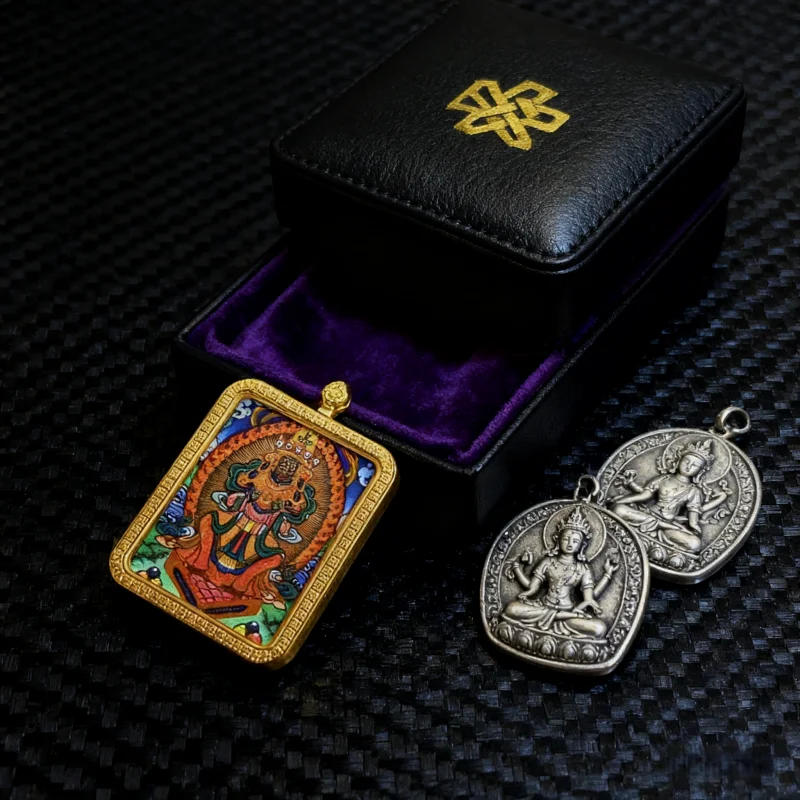
If you’re drawn to the rich cultural heritage and unique aesthetic of Tibetan craftsmanship, then Tebit-style jewelry is sure to captivate your heart. These intricate pieces, often featuring bold designs and vibrant materials, are more than just accessories—they are wearable art that tells a story of tradition and spirituality. Let’s delve into the fascinating world of Tebit-style handchains and necklaces, exploring their distinctive features and the cultural significance behind them.
 The Origins: A Blend of Tradition and Spirituality
 The Origins: A Blend of Tradition and Spirituality
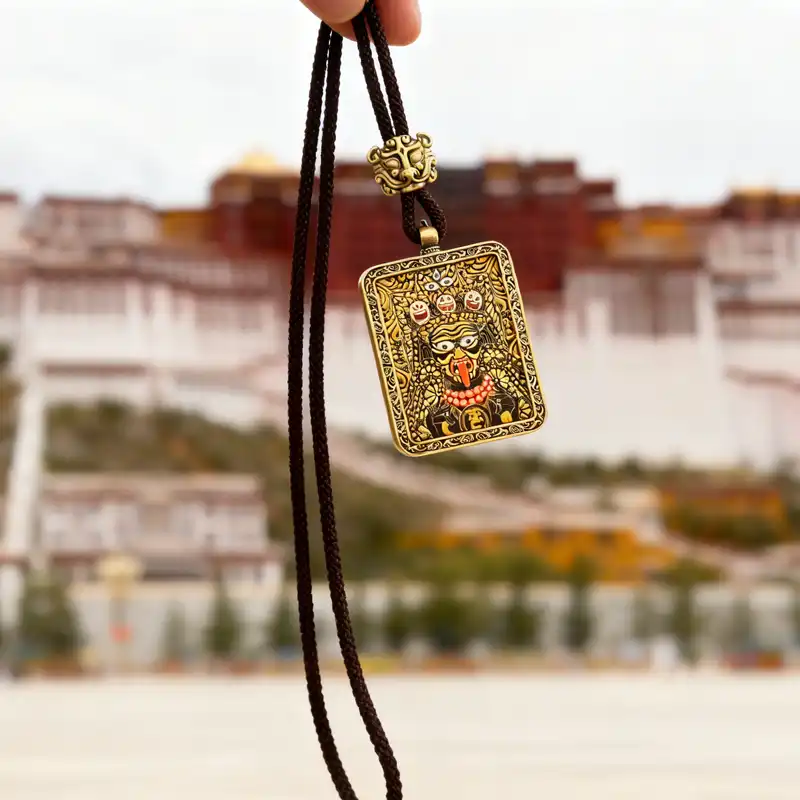
Tebit-style jewelry draws inspiration from the rich cultural heritage of Tibet. Traditional Tibetan jewelry is renowned for its intricate craftsmanship, bold designs, and the use of natural materials like turquoise, coral, and silver. These elements are not only chosen for their aesthetic appeal but also for their spiritual significance. For example, turquoise is believed to bring good fortune and protect the wearer from harm.
Distinctive Features of Tebit-Style Jewelry
-
Bold and Vibrant Materials:Tebit-style jewelry often features a mix of natural stones like turquoise, coral, and agate, combined with metals such as silver and gold. These materials are chosen for their symbolic meanings and believed to possess protective and healing properties.
-
Intricate Craftsmanship:Each piece is meticulously handcrafted, often by skilled artisans who have passed down their techniques through generations. The intricate designs, including detailed filigree work and beadwork, reflect the rich cultural heritage of Tibet.
-
Symbolic Elements:Many Tebit-style pieces incorporate symbolic elements such as the “Gau” (a protective amulet), prayer wheels, and Buddhist motifs. These symbols are believed to offer spiritual protection and blessings.
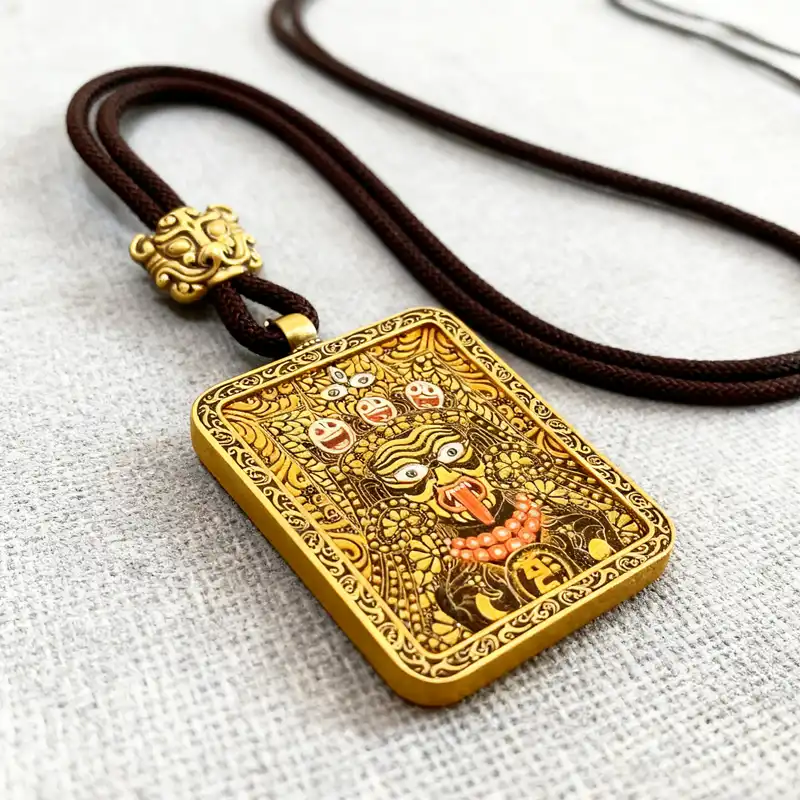 Beyond their aesthetic appeal, Tebit-style pieces hold deep cultural significance. They are often worn during special occasions and ceremonies, symbolizing protection, prosperity, and spiritual connection. Each piece is a testament to the rich cultural heritage of Tibet and the enduring traditions of its people.