Tibetan Thangka Myths Debunked: It’s About Art, Not Zodiac Taboos | AuraZen Life
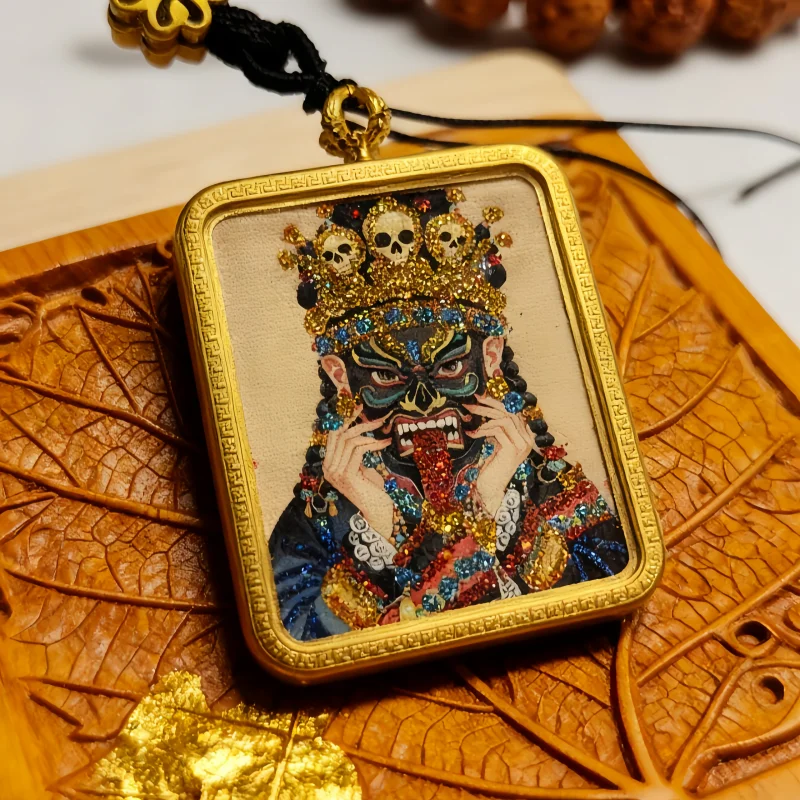
Tibetan Thangka is more than a painting—it’s a living tapestry of culture, spirituality, and centuries-old craftsmanship. Yet one persistent myth lingers: the claim that “three zodiac signs should avoid Thangkas.” Let’s set the record straight: This idea has no roots in traditional Tibetan Buddhism or Thangka culture. It’s a modern misconception that overshadows the true beauty of these sacred artworks. At AuraZen Life (www.aurazenlife.com), we invite you to look beyond myths and discover Thangkas as they’re meant to be—masterpieces of art, carriers of history, and symbols of universal compassion. Here’s why Thangkas deserve your appreciation, free from unfounded taboos.
The Stunning Artistry of Tibetan Thangka: A Fusion of Traditions
Tibetan Thangka’s artistry is a testament to cross-cultural collaboration, blending Tibetan folk art, Buddhist iconography, and Han Chinese meticulous brushwork. What makes it truly extraordinary? Two core elements that stand the test of time:
Vibrant, Timeless Colors from Nature
Forget synthetic dyes that fade in years—Thangka artists rely on natural minerals and plants to create hues that stay vivid for centuries. Lapis lazuli, mined from Afghanistan’s mountains, gives that deep, rich blue that draws the eye. Cinnabar and madder root yield vibrant reds, while malachite and turquoise provide lush greens. Even gold, used for halos and sacred symbols, comes from pure 24K sheets ground into a fine paste. This isn’t just about beauty—it’s about respect for the earth. At AuraZen Life, our artisans still source these natural pigments (learn more about our pigment process at www.aurazenlife.com/thangka-pigments). Run your eye over a White Tara Thangka from our collection, and you’ll see how these natural tones create a soft, radiant glow no synthetic color can match.
Precision That Honors Tradition
Thangka painting isn’t a free-for-all—every stroke follows strict guidelines from ancient Buddhist texts called 度量经 (measurement sutras). When painting a Buddha or Bodhisattva, the artist adheres to exact proportions: the distance between the eyes, the curve of the smile, even the angle of a hand gesture (called a mudra) all have specific meanings. A compassionate Avalokiteshvara’s hands must rest in a certain way; a wise Manjushri’s posture must convey clarity. This precision isn’t rigidity—it’s reverence. Our master artisans at AuraZen Life spend 10+ years learning these rules (meet them at www.aurazenlife.com/artisan-stories), ensuring every piece honors the tradition while carrying their unique skill.
The Heart of Thangka:题材 (Themes) That Tell Stories
Thangkas are visual storytellers, with themes that range from religious figures to mythic tales. Each subject carries deep meaning, but none of it has anything to do with zodiac signs. Let’s break down the most common themes—and what they actually represent:
Buddhas and Bodhisattvas: Symbols of Universal Virtues
The most iconic Thangka subjects are Buddhas (enlightened beings) and Bodhisattvas (compassionate beings who help others). A Shakyamuni Buddha Thangka depicts the historical Buddha, symbolizing enlightenment and inner peace. A Green Tara Thangka represents healing and protection—for anyone who seeks it, regardless of birth year. These figures aren’t “lucky” for some and “unlucky” for others; they’re reminders of the virtues we all can cultivate. Explore our curated collection of Buddha and Bodhisattva Thangkas at www.aurazenlife.com/buddha-thangka, and find the one that resonates with your values.
Buddhist Stories and Myths: Windows into Culture
Many Thangkas tell stories—from the Buddha’s life journey to Tibetan folk myths. A Thangka depicting the Buddha’s first sermon under the Bodhi tree isn’t just a historical scene; it’s a lesson in perseverance and awakening. A mythic Thangka about Guru Rinpoche (Padmasambhava) spreading Buddhism in Tibet shares the region’s spiritual history. These works are like cultural textbooks, inviting viewers to learn about Tibetan traditions. Our Storytelling Thangka Collection (www.aurazenlife.com/story-thangka) includes detailed guides explaining each narrative, so you can connect with the art on a deeper level.
Thangka in Tibetan Life: More Than Art—A Cultural Lifeline
In Tibetan communities, Thangkas are everywhere: in monasteries, family homes, even portable scrolls carried by travelers. They’re used in rituals, passed down as heirlooms, and taught to new generations as a way to preserve culture. For a Tibetan family, a Thangka isn’t just decoration—it’s a link to their ancestors and faith. When a young artisan learns to paint Thangka, they’re not just mastering a skill; they’re inheriting a cultural legacy. At AuraZen Life, we support this legacy by partnering with Tibetan and Nepali artisans, paying fair wages, and funding their children’s education (learn about our ethical practices at www.aurazenlife.com/fair-trade). When you buy a Thangka from us, you’re not just purchasing art—you’re supporting a community.
Why Taboos About “Unlucky Zodiac Signs” Are a Myth
So where did the “three forbidden zodiac signs” myth come from? It’s likely a modern invention, blending misinterpreted Tibetan astrology with commercialized “lucky charm” culture. Traditional Tibetan Buddhism teaches that spiritual tools like Thangkas are for all beings, as compassion and wisdom are universal. A lama (Tibetan Buddhist teacher) would never tell someone they “can’t” own a Thangka because of their birth year—this goes against the core Buddhist principle of inclusivity. At AuraZen Life, we’ve consulted with our partner lamas, who confirm: Thangkas are gifts for everyone, meant to inspire, not exclude. If you’re drawn to a Thangka, that connection is what matters—not your zodiac sign.
How to Appreciate and Care for a Thangka (No Taboos Required)
Whether you’re an art collector, a spiritual seeker, or someone who loves unique home decor, a Thangka is a meaningful addition to your space. Here’s how to engage with it respectfully:
1. Choose a Thangka That Resonates
Pick a theme that speaks to you: A White Tara for calm, a Dzambala for abundance, or a storytelling Thangka for cultural interest. Our Thangka Finder Tool (www.aurazenlife.com/thangka-finder) helps you narrow down options based on your values and space.
2. Display It With Respect (Not Fear)
Hang your Thangka at eye level, away from direct sunlight (to protect the pigments) and moisture. Avoid placing it near clutter or in overly casual spaces (like a bathroom). That’s it—no special rituals for “lucky” placement, just common sense to preserve its beauty.
3. Care for It as an Heirloom
Dust it gently with a soft brush every few months. If it needs cleaning, consult a professional art restorer—never use water or chemicals. With proper care, your Thangka can be passed down to your children and grandchildren. Our Thangka Care Guide (www.aurazenlife.com/thangka-care) has step-by-step tips from our artisans.
Why AuraZen Life Thangkas Are Authentic (And Myth-Free)
Many “Thangkas” on the market are mass-produced prints or poorly made copies, often paired with made-up taboos to drive sales. Our Thangkas are different because:
-
100% Hand-Painted: No prints, no shortcuts—every stroke is by a lineage-trained artisan.
-
Natural Materials: We use the same mineral pigments and 24K gold as traditional artists.
-
Lama-Consecrated: Every Thangka is blessed by a Tibetan lama, infusing it with spiritual intention (not exclusionary energy).
-
Transparent Sourcing: We share every Thangka’s origin, artisan story, and materials—no secrets, no myths.
Embrace Thangka: Art, Culture, and Compassion for All
Tibetan Thangka’s true power lies in its ability to connect us—to history, to culture, and to the best parts of ourselves. The idea that “three zodiac signs should avoid it” diminishes this power, reducing a sacred art form to a trivial superstition. At AuraZen Life (www.aurazenlife.com), we invite you to reject myths and embrace Thangkas for what they are: beautiful, meaningful, and inclusive.
Ready to find your perfect Thangka? Browse our Authentic Thangka Collection, read our artisans’ stories, or download our free Thangka Myth-Busting Guide (www.aurazenlife.com/thangka-myths). Every piece we offer is a testament to tradition, craftsmanship, and the universal compassion that makes Thangka so special.
May your Thangka bring you joy, inspiration, and a deeper connection to the rich culture of the Himalayas—no zodiac sign required.
