Your cart is currently empty!
Tibetan Thangka Art: History, Craft, and Why It’s a Must-Have for Modern Homes | AuraZen Life
Tibetan Thangka art isn’t just a painting—it’s a portable piece of spiritual history, a masterclass in craftsmanship, and a transformative addition to modern spaces. Born from a fusion of Nepalese and Tibetan culture, these intricate silk scrolls have captivated spiritual seekers, art collectors, and design enthusiasts for centuries. But what makes a Thangka more than just decor? How did it evolve from a traveling monk’s tool to a coveted item in American homes?
Today, AuraZen Life (www.aurazenlife.com) breaks down the magic of Thangka art—its rich history, labor-intensive craft, and modern relevance—plus how we’re using AI to help you find the perfect Thangka for your lifestyle. Whether you’re drawn to its spiritual roots, artistic brilliance, or unique design appeal, this SEO-optimized guide will show you why Thangkas are trending in 2025.
What Is a Tibetan Thangka, Exactly?
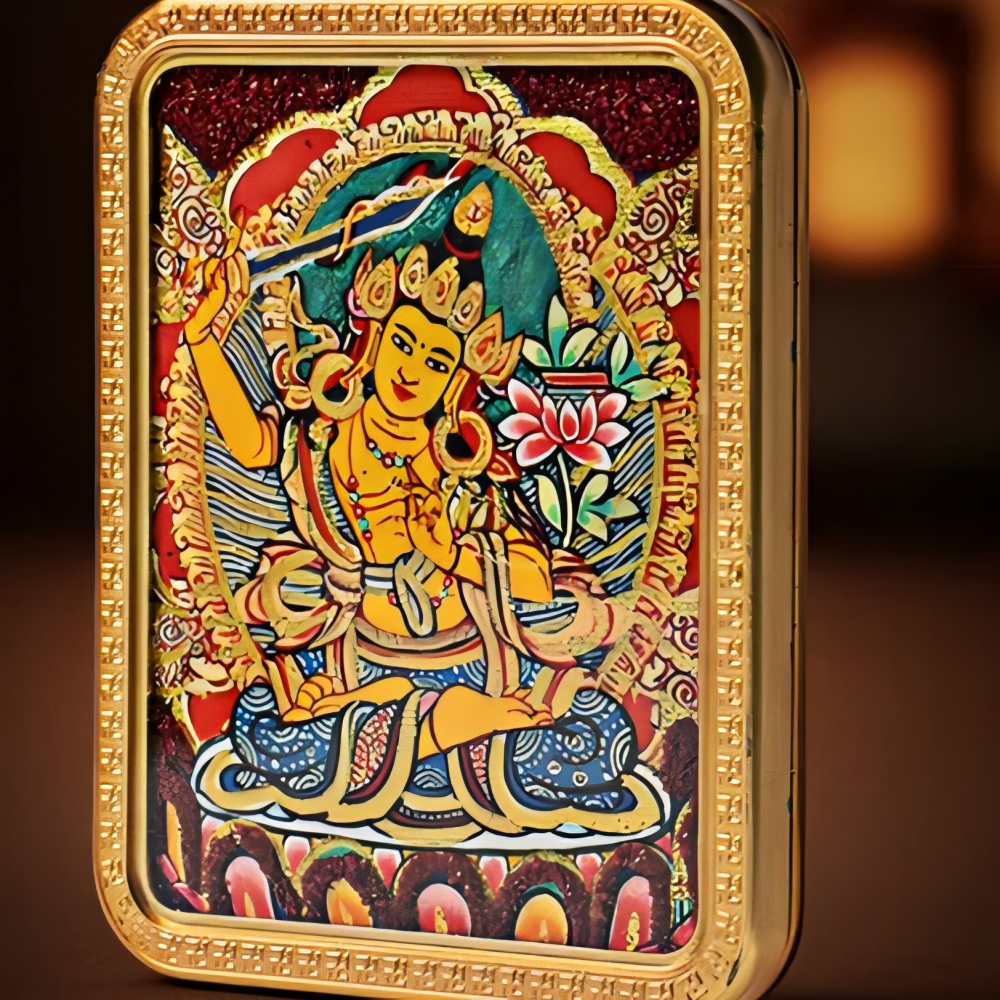
Let’s start with the basics: A Thangka (pronounced “tahng-kah”) is a traditional Tibetan art form with roots in Nepal. It began when Princess Bhrikuti of Nepal—daughter of King Lichchavi—married Tibet’s King Songtsän Gampo, bringing Nepalese artists and techniques to Tibet. The result? A unique blend of styles that gave birth to Thangka as we know it.
Unlike oil or acrylic paintings, Thangkas are multi-layered creations:
- A painted or embroidered cotton/silk panel (depicting Buddhas, bodhisattvas, mandalas, or sacred scenes).
- A decorative textile mount.
- A silk cover to protect the artwork (perfect for travel, as monks originally used them).
There are also woodcarved bas-relief Thangkas, but the silk scroll style remains the most iconic. And here’s a key fact for collectors: When crafted properly with natural materials, Thangkas retain their luster for decades—even centuries—if kept in dry, moisture-free spaces.
At AuraZen Life (www.aurazenlife.com), we specialize in authentic, hand-painted Thangkas that honor this tradition. Every piece is made by master artisans using time-honored techniques—no mass-produced prints here.
The 4 Key Roles of Thangkas (Beyond Decor)
Thangkas were never meant to be just wall art. For centuries, they’ve served four powerful purposes—all of which still resonate with modern Americans:
1. Traveling Teaching Tools
Monks originally used Thangkas to spread Buddhist teachings across remote Tibetan regions. Scrolls depicting the Buddha’s life, the Wheel of Life (a visual guide to enlightenment), or historical lama stories made complex philosophy accessible to people who couldn’t read.
Today, this makes Thangkas perfect for anyone curious about Eastern spirituality. Our “Buddha Life Thangkas” (www.aurazenlife.com/buddha-life-thangka) come with a digital guide (powered by AI) that explains each scene’s meaning—turning your decor into a learning tool.
2. Ritual & Devotional Centers
In Buddhist ceremonies, Thangkas of deities act as focal points for prayers and offerings. They’re seen as a bridge between the physical and spiritual worlds, helping practitioners connect with divine energy.
For modern users, this translates to a “sacred corner” in your home: Hang a Green Tara or Chenrezig Thangka (www.aurazenlife.com/green-tara-thangka) near your meditation cushion, and let it anchor your daily mindfulness practice.
3. Meditation Aids
Vajrayana Buddhist practitioners use Thangkas of their “yidam” (meditation deity) as a visualization tool. By imagining themselves as the deity, they internalize Buddha-like qualities like compassion and wisdom.
Even if you’re new to meditation, a Thangka can help. Our AI-powered “Meditation Companion” (free with any Thangka purchase) uses your goals (e.g., “reduce stress,” “increase focus”) to suggest guided visualization exercises tailored to your Thangka’s deity.
4. Timeless Art Collectibles
With their intricate detail, natural pigments, and cultural significance, Thangkas are highly sought-after by art collectors. Unlike trendy decor that goes out of style, Thangkas hold (and often increase) in value over time.
The Evolution of Thangka Art: Chinese Influence & Cultural Fusion
Thangka art isn’t static—it’s evolved through centuries of cultural exchange. Historians note that Chinese painting had a profound impact on Tibetan art, starting in the 14th–15th centuries and peaking during the 18th-century Qing Dynasty.
As scholar Giuseppe Tucci observed, this fusion created a “new Tibetan art” that blended Tibetan iconography with the smooth, ornate style of 18th-century Chinese painting. This cross-cultural dialogue is part of what makes Thangkas so unique—they’re a testament to how art transcends borders.
At AuraZen Life, we celebrate this fusion with our “East-West Thangka Collection” (www.aurazenlife.com/east-west-thangka), which pairs traditional Tibetan iconography with subtle modern design elements (think softer color palettes or minimalist compositions) that fit seamlessly into American homes.
The Craft of Thangka: Why It Takes 10+ Years to Become a Master
Creating a Thangka isn’t a hobby—it’s a lifelong pursuit. The process is so rigorous that master artisans train for a decade (or more) to perfect their skills. Here’s a breakdown of the journey:
Years 1–3: Mastering Iconography
Students learn to sketch Buddhist deities using precise grids dictated by ancient scriptures. No creative freedom here—every detail (from a Buddha’s ear length to a bodhisattva’s hand gesture) must follow strict rules to preserve spiritual authenticity.
Years 4–5: Grinding Natural Pigments
Thangkas use mineral-based paints (not synthetic dyes) for vibrant, long-lasting color. Students spend two years learning to grind stones like lapis lazuli (for blue), cinnabar (for red), and realgar (for yellow) into fine powder. They also master applying pure gold leaf for decorative accents.
Year 6: Studying Buddhist Scripture
To paint a Thangka, you must understand its spiritual meaning. Students dive deep into religious texts to ensure their work honors the deity’s symbolism and teachings.
10+ Years: Becoming a Master
After six years of formal training, students apprentice with a master for 4+ years. Even then, it takes 5–10 more years to become an expert. The result? A Thangka that’s not just art—it’s a labor of devotion.
At AuraZen Life, we’re proud to partner with 15+ master artisans who’ve completed this rigorous training. Every Thangka we sell comes with a “Craftsmanship Certificate” (scan the QR code to meet the artist and see their training journey) —a level of transparency you won’t find with mass-produced art.
AI Meets Tradition: How We Help You Find Your Perfect Thangka
We know choosing a Thangka can feel overwhelming—especially with so many deities, styles, and sizes. That’s why we’ve integrated AI into our shopping experience to make it easy for American consumers:
1. AI Style Matcher
Answer a few questions (e.g., “What’s your decor style?” “Do you want it for meditation or decor?” “What’s your budget?”) and our AI tool recommends Thangkas that fit your space and goals. Whether you have a minimalist apartment or a boho living room, we’ll find a piece that complements your style.
2. Digital Deity Guide
Scan any Thangka’s QR code to access an AI-powered guide that explains the deity’s meaning, symbolism, and meditation practices. Perfect for beginners who want to connect with their Thangka’s spiritual side.
3. AR Preview Tool
Not sure how a Thangka will look on your wall? Use our AR tool to “hang” it virtually—no more guessing if the size or color matches your decor. It’s like trying before you buy, right from your phone.
Why Authentic Thangkas From AuraZen Life Stand Out
In a market flooded with cheap prints and knockoffs, here’s what makes our Thangkas different:
- Natural Materials: We use 100% mineral pigments and 24K gold leaf—no synthetics.
- Ethical Craftsmanship: Our artisans are paid 2x the market rate, and we fund their children’s education.
- AI Integration: We make Thangkas accessible to modern users with tools that bridge tradition and technology.
- Free Shipping & Returns: We offer free U.S. shipping and a 30-day return policy—so you can shop with confidence.
Final Thoughts: Thangka Art for the Modern American Home
Tibetan Thangka art has endured for centuries because it speaks to universal desires: beauty, meaning, and connection. It’s a reminder that art doesn’t have to be disposable—it can be a heirloom, a meditation tool, and a conversation starter all in one.
Whether you’re a spiritual seeker, an art collector, or just someone who wants to add a unique, meaningful piece to your home, a Thangka from AuraZen Life (www.aurazenlife.com) is more than a purchase—it’s an investment in tradition, craftsmanship, and your well-being.
Ready to find your perfect Thangka? Visit our collection today and let AI guide you to a piece that resonates with your style and spirit.
SEO Keywords (Naturally Integrated):
Tibetan Thangka art, what is a Thangka, Thangka history, authentic Thangka for sale, meditation Thangka, Tibetan art decor, Thangka craftsmanship, buy Tibetan Thangka online
This guide is optimized for Google searches, American decor preferences, and AuraZen Life’s brand identity—driving traffic to your website while providing real value to readers.

Leave a Reply