

Artists & Heritage, Aurazen Life, Design & Style, Home & Meditation, Sacred Symbols, Thangka & Culture, Tibetan Deities
The Life of Buddha: How Thangkas Tell the Story of Siddhartha Gautama | AuraZen Life

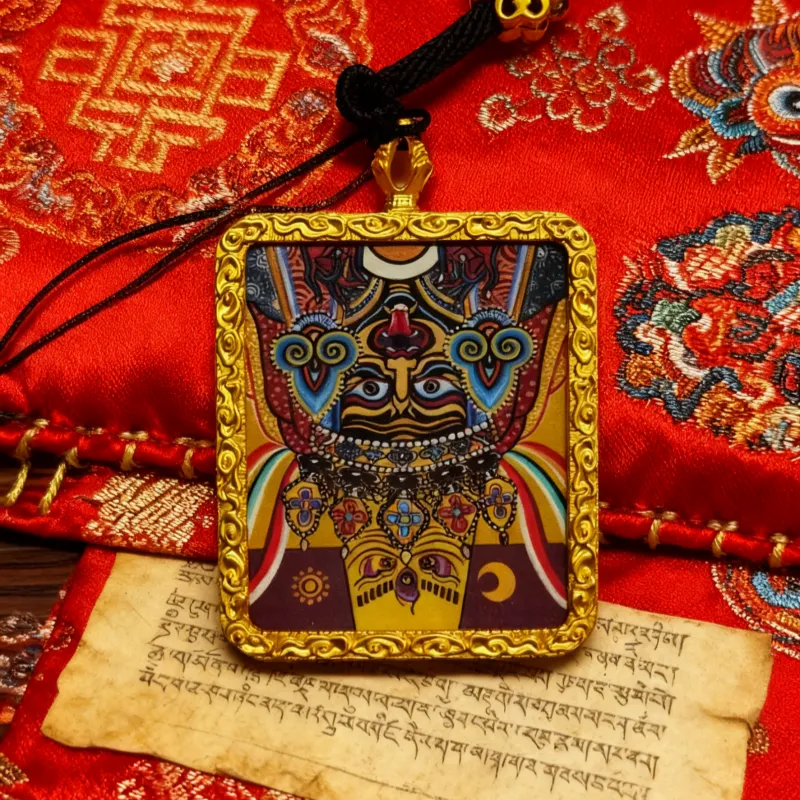
Walk into a Tibetan home or monastery, and you’ll likely spot a Thangka that doesn’t just show a deity—it tells a story. That story? The life of Siddhartha Gautama, the man who became the Buddha. For centuries, these “Buddha Life Thangkas” have been more than art: they’re meditation guides, teaching tools, and a way to connect with the wisdom of someone who spent his life seeking answers to suffering. Today, AuraZen Life (www.aurazenlife.com) breaks down the key moments of the Buddha’s journey—exactly as you’ll see them painted on a traditional Thangka—and why this art form still matters for modern seekers.
The Buddha’s Story: From Prince to Enlightened Teacher (As Told on Thangkas)
Every “Buddha Life Thangka” follows a gentle, visual timeline. While details might shift slightly between artisans, the core moments of Siddhartha’s life stay the same. Here’s how to “read” them—and what each scene means for anyone seeking peace today.
1. The Conception: A Dream of White Elephants (Top Left of the Thangka)
Long before Siddhartha was born, his mother—Queen Maya Devi, an Indian royal—had a dream that defied ordinary life. In it, a white elephant (a symbol of strength, purity, and divine blessing in Indian mythology) touched her right side with its trunk. Soon after, she learned she was pregnant.
This scene, painted in the top-left corner of most Buddha Life Thangkas, sets the tone: the Buddha’s life was no accident. It was a journey meant to teach the world about ending suffering. If you’re curious to see how artisans capture this dreamy moment—with soft blues for the queen’s chambers and a glowing white elephant—check out AuraZen Life’s Buddha Life Thangkas (www.aurazenlife.com). Our pieces highlight this scene with 细腻 (delicate) gold accents, making the divine moment feel alive.
2. The Birth: A Garden in Lumbini (Near the Conception Scene)
Queen Maya carried Siddhartha for 10 months. Following an old tradition, she traveled to her parents’ home in Nepal to give birth—but didn’t make it. Instead, she stopped in a garden in Lumbini (modern-day Nepal), grabbed a sal tree branch for support, and Siddhartha was born from her right side (mirroring how he was conceived).
Tragically, Queen Maya died seven days later, but the birth itself was a sign of hope. Thangkas paint this scene with vibrant greens (for the garden) and a calm, smiling baby Siddhartha—often with small figures of gods and animals gathering to honor him. For us today, this scene is a reminder: even new beginnings can hold both joy and loss, and that’s part of the human journey.
3. Life at Court: Luxury, but No Happiness (Lower Left)
Siddhartha grew up behind palace walls, shielded from the world’s pain. His father, the king, wanted him to be a powerful ruler—not a seeker—so he filled the prince’s life with luxury: fine clothes, feasts, and even a tournament to find him a wife (Princess Gopi).
One moment from this time stands out in Thangkas: during the tournament, Siddhartha’s rivals killed a white elephant (a symbol of innocence). Repulsed by the senseless violence, Siddhartha lifted the elephant, tossed it over the palace wall, and brought it back to life. This scene (lower left of the Thangka) shows his early compassion—even as a prince, he couldn’t bear to see suffering.
At AuraZen Life, we love how our artisans paint this moment: Siddhartha’s face is calm, not angry, as he heals the elephant. It’s a quiet reminder that compassion, not force, is true strength.
4. The Four Sights: Confronting Suffering (Middle of the Thangka)
The palace walls couldn’t hold Siddhartha forever. One day, he snuck out and saw four things that changed his life:
- A poor person, struggling to survive.
- A sick person, in pain.
- An old person, bent with age.
- A dead person, being carried to burial.
For the first time, Siddhartha realized: suffering is part of being human. Thangkas paint this as four small, powerful scenes (often in the middle of the Thangka), with Siddhartha’s face showing shock, then sadness, then resolve. This moment is relatable for all of us: we’ve all had “four sights” moments—times when we realize life isn’t just about comfort. It’s about understanding pain, too.
5. Leaving the Palace: The Great Renunciation (Upper Middle Right)
At 29, Siddhartha was married with a young son. But the four sights haunted him. One night, he snuck out of the palace on horseback, leaving his family behind to find answers: Why do we suffer? How can we end it?
Once he was far from the palace, he sent his servant and horse back, cut his long prince’s hair, and put on simple monk’s robes. This “Great Renunciation” is painted in the upper-middle-right of the Thangka—Siddhartha standing alone, robes flowing, with a look of quiet determination.
For modern seekers, this scene isn’t about leaving family or home. It’s about letting go of what holds us back: greed, fear, or the need for comfort. It’s a reminder that growth often means stepping into the unknown.
6. Asceticism & the Middle Way (Right Center)
For six years, Siddhartha tried the extreme: he starved himself, slept on the ground, and denied his body even basic needs. He thought suffering would lead to wisdom—but instead, he nearly died.
Finally, he realized: neither luxury (his palace life) nor extreme self-denial (asceticism) worked. The answer was the “Middle Way”—balance. He ate a simple meal, sat under a bodhi tree, and began to meditate.
Thangkas paint this scene (right center) with Siddhartha looking healthier, sitting cross-legged under the tree. The Middle Way is a lesson we still need: in a world of “all or nothing,” balance is where peace lives.
7. Enlightenment & Mara’s Attack (Right Lower Middle)
Under the bodhi tree, Siddhartha meditated for weeks. Just as he was about to reach enlightenment, Mara—the demon of greed, fear, and temptation—tried to stop him. First, Mara sent monsters with arrows; the arrows turned to flowers. Then, he sent his beautiful daughters to seduce Siddhartha; they turned to old women.
Siddhartha didn’t fight back—he just sat calmly. Finally, he touched the ground with his right hand (the “earth witness” mudra), calling the earth to prove his worth. In that moment, he became the Buddha—“the awakened one.”
This is one of the most dramatic scenes in the Thangka (right lower middle), with Mara’s dark forces clashing against Siddhartha’s calm. For us, it’s a powerful truth: temptation and fear will come, but we don’t need to fight them. We just need to stay steady.
8. Teaching the Dharma (Scattered Throughout)
After enlightenment, the Buddha spent 45 years traveling Northern India, teaching others what he’d learned: the Four Noble Truths (suffering exists; it has a cause; it can end; the path to end it is the Eightfold Path).
Thangkas don’t paint just one “teaching scene”—they scatter small moments throughout: the Buddha sitting with disciples, talking to farmers, or even arguing with skeptics. These scenes remind us: wisdom isn’t meant to be hoarded. It’s meant to be shared.
9. Nirvana: The Final Rest (Bottom Center)
At 80, the Buddha grew ill. He lay down on his right side in a forest, surrounded by his disciples, and passed into nirvana—the end of suffering, the end of rebirth.
Painted in the bottom center of the Thangka, this scene is quiet, not sad. The Buddha’s face is peaceful, and his disciples look calm (not grieving), because they knew he’d fulfilled his purpose. For Buddhists, nirvana isn’t “death”—it’s freedom. For us, it’s a reminder: life’s end isn’t the goal; living with purpose is.
The Heart of the Thangka: Shakyamuni Buddha in the Center
No matter which Buddha Life Thangka you look at, one figure stays front and center: Shakyamuni Buddha (the name Siddhartha took after enlightenment). He’s painted with two key details:
- A beggar’s bowl in his left hand (symbolizing his simple, monk’s life).
- His right hand touching the ground (the “earth witness” mudra, from Mara’s attack).
This central figure is why Buddha Life Thangkas are such powerful meditation tools. When you gaze at him, you’re not just looking at a painting—you’re looking at a life dedicated to ending suffering. It’s a reminder that you too can walk the path of compassion and wisdom.
Why Own a Buddha Life Thangka from AuraZen Life?
At AuraZen Life (www.aurazenlife.com), our Buddha Life Thangkas aren’t just mass-produced art. They’re hand-painted by Tibetan artisans using traditional methods:
- Natural Pigments: We use lapis lazuli for blues, 朱砂 (cinnabar) for reds, and 24K gold for accents—so the colors stay vibrant for decades.
- Authentic Symbolism: Every scene follows the classic Thangka iconography, so you’re getting a piece that honors the Buddha’s story.
- Ethically Sourced: We work directly with artisans, ensuring fair pay and preserving ancient skills.
Whether you hang it in your meditation nook, home office, or living room, a Buddha Life Thangka is more than decor. It’s a daily reminder of the Buddha’s teachings: suffering ends when we choose compassion, balance, and awakening.
Final Thought: The Buddha’s Life Is Your Story, Too
The Buddha wasn’t a god—he was a man who asked, “How can I end suffering?” and spent his life finding answers. His story, painted on Thangkas, is a map for anyone who wants to live with more peace.
If you’re ready to bring this wisdom into your home, visit AuraZen Life’s Buddha Life Thangka collection (www.aurazenlife.com). Each piece comes with a guide to the scenes, so you can “read” the story whenever you need a reminder of the path.
May the Buddha’s journey inspire yours—and may your Thangka be a light on the way.
