The History & Evolution of Thangka Art: AuraZen Life’s Journey to Preserve a Timeless Legacy
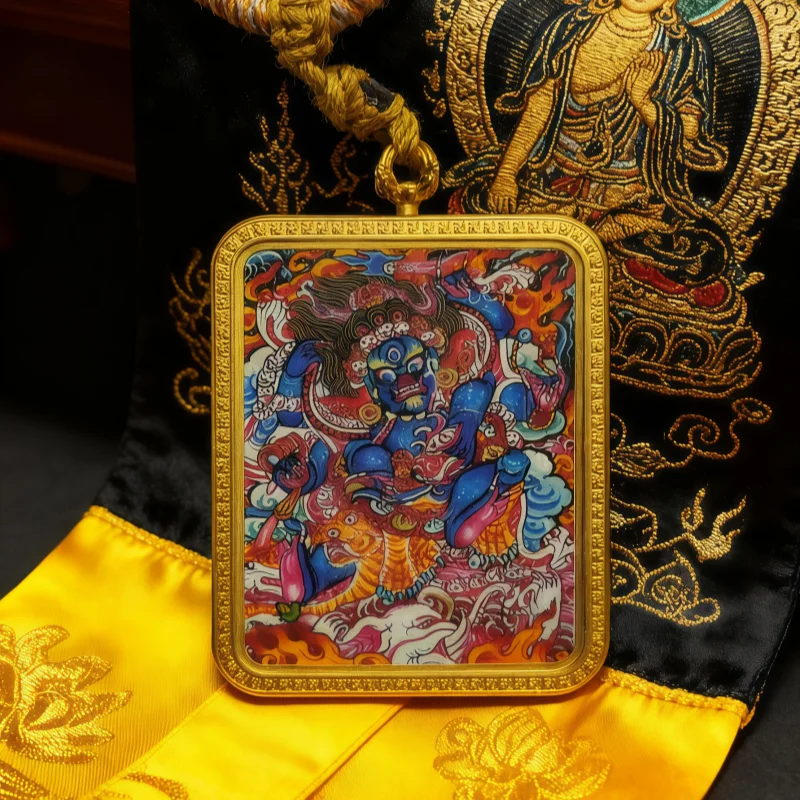
At AuraZen Life (www.aurazenlife.com), we don’t just sell thangka art—we honor a 1,300-year-old tradition that bridges spirituality, culture, and craftsmanship. Revered as one of Tibetan Buddhism’s most profound artistic expressions, thangkas are far more than paintings: they’re portable spiritual guides, cultural archives, and meditative tools that have evolved across centuries while staying true to their sacred core. Below, we trace the fascinating history of thangka art, its global evolution, and how AuraZen Life is carrying this legacy forward for modern collectors, spiritual seekers, and art lovers alike.
(In the image: Buddha Vairocana, the “Resplendent One” | 14th-century pigment-on-cloth thangka, part of AuraZen Life’s curated antique collection. Explore rare pieces at www.aurazenlife.com/antique-thangka)
Origins of Thangka Art: From Himalayan Teachings to Portable Treasures
Thangka art’s roots stretch back to the 7th century CE, when Buddhism took hold in Tibet and artists began blending Indian, Nepalese, and Chinese artistic influences to create a distinct visual language. In a time when most people couldn’t read, thangkas emerged as vital teaching tools—portable scroll paintings that translated Buddhist sutras, deity stories, and cosmic principles into vivid imagery.
Crafted for monasteries and nomadic communities alike, their portability made them perfect for religious ceremonies and spiritual practice on the move. Early thangkas relied on 纯天然矿物颜料 (natural mineral pigments)—ground gold, turquoise, lapis lazuli, and plant-based dyes—that lent their hues unmatched vibrancy and longevity, a tradition AuraZen Life upholds today (learn about our pigment sourcing at www.aurazenlife.com/thangka-pigments). These foundational works focused on single deities or key Buddhist scenes, laying the groundwork for the intricate art form we cherish.
Cultural & Spiritual Significance: Thangkas as Meditation in Motion
For centuries, thangkas have been central to Tibetan Buddhist practice—and their spiritual power remains undiminished. Each piece is designed to guide practitioners toward enlightenment: depictions of bodhisattvas, mandalas, and Buddha’s life stories serve as focal points for meditation, fostering compassion, wisdom, and mindfulness.
What makes thangkas truly sacred is the creation process itself. Traditional artists undergo 7–10 years of rigorous training to master ancient techniques, adhering to strict proportions outlined in sacred texts like the 度量经 (Measurement Sutras) . Every brushstroke is intentional, with artists meditating and praying throughout creation—turning the act of painting into a spiritual discipline. At AuraZen Life, we partner with lineage-trained masters from Tibet, Nepal, and India who uphold this sacred process (meet our artisans at www.aurazenlife.com/artisan-stories), ensuring every thangka we offer is both authentic and infused with spiritual intention.
Evolution of Thangka Art: Centuries of Adaptation Without Compromise
Thangka art has never been static—it has evolved with culture, politics, and global influences while preserving its spiritual essence. Here’s how it transformed over the ages:
- 7th–9th Centuries (Tibetan Empire Era): Early thangkas reflected heavy Indian and Nepalese Buddhist art influences, with simple compositions and emphasis on deity iconography.
- 11th Century: After the Tibetan Empire’s decline, isolation fostered a distinct Tibetan style—bold, vivid colors, intricate details, and a focus on sacred symbolism that set thangkas apart.
- 17th Century: Ming and Qing Dynasty influences introduced silk brocade borders and refined brushwork, adding elegance without diluting thangkas’ core purpose as spiritual tools.
- 20th Century: Following the 1959 Tibetan diaspora, artists fled to India, Nepal, and beyond, sharing thangka art with the world . 欧美收藏家 (Western collectors) quickly recognized its value, building the global appreciation that thrives today .
Today, thangkas are celebrated at major international auctions (including New York’s Asia Art Week, a key event for collectors ) and exhibited in galleries worldwide—proof of their universal appeal.
Modern Thangka Art: Tradition Meets Contemporary Relevance
Traditional thangka craftsmanship remains alive and well, but contemporary artists are breathing new life into the form—blending age-old techniques with modern sensibilities. Young creators are experimenting with new themes (while honoring sacred iconography), integrating modern art elements, and even fusing thangka with techniques like lacquer painting . This fusion isn’t about abandoning tradition—it’s about making thangkas accessible to a new generation.
At AuraZen Life, we embrace both sides of this evolution:
- Our Traditional Collection features classic thangkas painted with natural pigments, following ancient texts to the letter (shop at www.aurazenlife.com/traditional-thangka).
- Our Contemporary Series showcases innovative works from emerging artists, blending traditional skills with fresh perspectives (explore at www.aurazenlife.com/contemporary-thangka).
We also address modern collectors’ needs by offering educational resources—like our guide to thangka care and symbolism—to help you connect deeply with your piece (download it at www.aurazenlife.com/thangka-guide).
(Image: A master thangka painter at work in Rinchenling Art School, Boudhanath, Nepal—one of AuraZen Life’s partner workshops. Discover our ethical sourcing practices at www.aurazenlife.com/ethical-thangka)
AuraZen Life’s Role: Preserving Authenticity in a Global World
Thangka art faces unique challenges today: fewer young artists are willing to commit to the years of training required , and mass-produced imitations flood the market. At AuraZen Life, we’re fighting to protect this legacy by:
- Partnering exclusively with lineage-trained artisans, ensuring fair wages and sustainable livelihoods .
- Sourcing only 100% hand-painted thangkas with natural pigments—no prints or shortcuts.
- Curating pieces verified by the Himalayan Art Resources (HAR), the gold standard for authenticity .
- Making thangkas accessible through workshops, digital resources, and a range of sizes—from small decor pieces to museum-quality collector’s items.
For us, thangkas are more than products—they’re cultural ambassadors. As interest in mindfulness and Tibetan Buddhism grows globally, we’re proud to share thangkas’ beauty and meaning with American audiences, whether you’re a seasoned collector, a spiritual practitioner, or someone drawn to their intricate artistry.
