Your cart is currently empty!
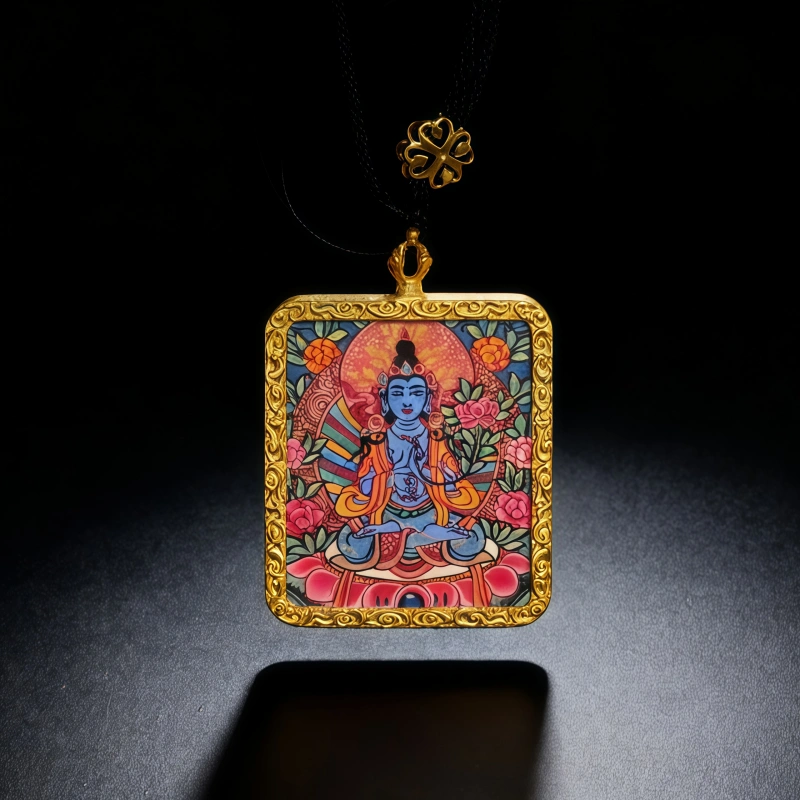
The 4 Main Schools of Tibetan Buddhism: Core Teachings & Artistic Legacies | AuraZen Life
Tibetan Buddhism is a rich, multifaceted spiritual tradition—one that has inspired profound devotion, intricate art, and timeless wisdom for centuries. At its heart are four major schools, each with unique lineages, teachings, and practices, yet all united by a shared goal: guiding practitioners toward enlightenment. For anyone drawn to Tibetan culture, meditation, or the sacred art of thangkas, understanding these schools is key to deepening your connection. At AuraZen Life (www.aurazenlife.com), we don’t just curate authentic thangkas—we help you explore the spiritual stories behind them, as each school’s essence is reflected in the art it inspires. Let’s dive into the four main schools of Tibetan Buddhism, their defining traits, and how their legacies live on in thangkas today.
1. Nyingma: The Ancient School (Est. 8th Century)
As the oldest surviving school of Tibetan Buddhism, the Nyingma (meaning “ancient”) tradition traces its roots to the 8th century, when the legendary Guru Padmasambhava—known as Guru Rinpoche—journeyed to Tibet to spread the Dharma. Tasked with taming local spirits and establishing Buddhism, Guru Rinpoche blended Indian Vajrayana teachings with native Tibetan spiritual practices, laying the foundation for Nyingma’s distinct identity.
What sets Nyingma apart? Its unwavering focus on Dzogchen (the “Great Perfection”), a profound meditation practice that emphasizes recognizing the true nature of the mind directly. Unlike some gradual paths to enlightenment, Dzogchen teaches that we already possess inherent Buddha-nature—our task is to uncover it through simple, direct awareness, free from complex rituals or conceptual thinking.
Nyingma thangkas often depict Guru Rinpoche (sometimes with multiple manifestations) alongside Dzogchen masters and celestial deities like White Tara (symbol of healing) and Green Tara (symbol of protection). These artworks are characterized by vibrant, earthy tones and fluid brushwork, reflecting the school’s connection to nature and direct spiritual experience. Explore our curated Nyingma-inspired thangka collection at www.aurazenlife.com/nyingma-thangka, where each piece is hand-painted by lineage-trained artisans who honor the school’s ancient traditions.
2. Kagyu: The Meditation-Focused School (Est. 11th Century)
Founded in the 11th century by the Tibetan master Marpa Lotsawa—who traveled to India to study under the great siddha Naropa—and his iconic disciple Milarepa (a former black magician turned enlightened sage), the Kagyu (meaning “oral transmission”) school is all about meditation and direct spiritual experience.
Kagyu’s core teaching is the Mahamudra (Great Seal) practice, which focuses on the union of emptiness and compassion through meditation. The school places immense value on the “oral lineage”—teachings passed directly from master to disciple, ensuring the authenticity and power of the practice are preserved. Milarepa, known for his life of extreme austerity and devotion, remains a central figure in Kagyu, celebrated for proving that enlightenment is attainable in a single lifetime.
Kagyu thangkas frequently feature Marpa, Milarepa, and later Kagyu masters like Gampopa. These artworks often highlight meditation caves and mountain landscapes (reflecting Milarepa’s years of retreat) and use bold contrasts of color to convey spiritual transformation. Our Kagyu thangka collection (www.aurazenlife.com/kagyu-thangka) includes pieces depicting Milarepa’s enlightenment journey, crafted with natural mineral pigments that capture the school’s rugged, sincere spirit.
3. Sakya: The Scholarly School (Est. 11th Century)
Founded in the 11th century by Khon Konchok Gyalpo, the Sakya (named after the “gray earth” monastery where it began) school is renowned for its emphasis on logic, reason, and deep philosophical study. Unlike schools that prioritize immediate meditation experience, Sakya teaches that enlightenment comes through understanding Buddhist philosophy first—using the mind to dismantle ignorance before deepening practice.
Sakya’s most famous teaching is the Path and Fruit (Lamdre) system, a comprehensive framework that combines scholarly study with tantric practice. The school is also known for its intricate rituals and symbolic practices, which are designed to align the practitioner’s body, speech, and mind with the Dharma. For centuries, Sakya masters served as spiritual advisors to Tibetan rulers, shaping both religious and political life.
Sakya thangkas are distinguished by their detailed iconography and scholarly precision—every figure, gesture, and symbol is carefully rendered according to strict traditional guidelines. They often depict Sakya patriarchs and complex mandalas (symbolic representations of the Buddha’s enlightened mind). At AuraZen Life, our Sakya-inspired thangkas (www.aurazenlife.com/sakya-thangka) are crafted by artisans who specialize in this precise style, ensuring each detail honors the school’s scholarly legacy.
4. Gelug: The Discipline & Education School (Est. 14th Century)
Founded in the 14th century by Je Tsongkhapa, a reformer who sought to revitalize Tibetan Buddhism through strict monastic discipline and rigorous education, the Gelug (meaning “virtuous tradition”) school is today the most widely recognized Tibetan Buddhist school—thanks in part to the Dalai Lama, who is a Gelug master.
Gelug places unparalleled emphasis on monastic discipline, ethical living, and comprehensive study of Buddhist philosophy. Monks and nuns in Gelug monasteries (like the famous Sera and Drepung in Lhasa) spend decades studying texts on logic, ethics, and metaphysics before advancing to tantric practices—specifically the Highest Yoga Tantra, which is seen as the fastest path to enlightenment when practiced with proper preparation.
Gelug thangkas are known for their elegance, symmetry, and serene depictions of deities. Je Tsongkhapa (often shown with a yellow hat, the symbol of Gelug) and the Buddha of Compassion (Avalokiteshvara) are common subjects. These artworks use soft, balanced colors and precise proportions, reflecting the school’s focus on order and virtue. Explore our Gelug thangka collection at www.aurazenlife.com/gelug-thangka, which includes authentic pieces depicting Je Tsongkhapa and his key disciples.
Unity in Diversity: What All 4 Schools Share
While each school has its unique approach, they are united by core Buddhist principles: the Four Noble Truths (suffering, its cause, its end, and the path), the practice of compassion (bodhicitta), and the goal of enlightenment for the benefit of all beings. Additionally, all four schools use thangkas as essential teaching tools—visual aids that make complex philosophical concepts accessible to practitioners, whether literate or not.
AuraZen Life: Your Guide to School-Specific Thangkas
At AuraZen Life (www.aurazenlife.com), we understand that choosing a thangka often means connecting with a specific school’s teachings. That’s why we offer curated collections for each of the four main schools, all crafted by lineage-trained artisans who understand the unique iconography and spirit of each tradition. Every thangka we sell is:
-
100% Hand-Painted: No prints or mass-produced copies—each stroke is intentional and sacred.
-
Made with Natural Materials: Lapis lazuli, cinnabar, 24K gold leaf, and other traditional pigments that ensure vibrancy for centuries.
-
Lama-Consecrated: Blessed by Tibetan lamas to infuse it with spiritual energy, just as thangkas have been for centuries.
-
Backed by Expertise: Each piece includes a detailed guide explaining its school, symbolism, and spiritual significance (download our free School Guide at www.aurazenlife.com/tibetan-buddhism-schools).
Final Thoughts: Exploring the Richness of Tibetan Buddhism
The four main schools of Tibetan Buddhism are a testament to the tradition’s diversity and adaptability—each offering a unique path to enlightenment, yet all rooted in compassion and wisdom. Whether you’re drawn to Nyingma’s direct Dzogchen practice, Kagyu’s meditation focus, Sakya’s scholarly depth, or Gelug’s disciplined approach, there’s a school (and a corresponding thangka) that can deepen your spiritual journey.
At AuraZen Life (www.aurazenlife.com), we’re honored to share these traditions with you. Browse our school-specific thangka collections, download our free guide, or reach out to our team for personalized recommendations. May the wisdom of Tibetan Buddhism’s four schools inspire peace, clarity, and connection in your life.

Leave a Reply