Thangka Paintings History & Origins: From Ancient Tibet to Modern Art | AuraZen Life
Art has always been a bridge between our physical world and something deeper—and few art forms do this as gracefully as Thangka paintings. You’ve probably seen these vibrant scrolls in yoga studios, spiritual bookstores, or Tibetan cultural exhibits, but do you know where they came from? How did a portable religious tool become a beloved piece of modern decor and spiritual art? Today, AuraZen Life (www.aurazenlife.com) dives into the rich history, traditional techniques, and timeless symbolism of Thangka paintings—plus, how this ancient art form is thriving in 2024.
Whether you’re a collector, a spiritual seeker, or just curious about global art, this guide breaks down everything you need to know about Thangka origins and their enduring appeal. Let’s start with the basics.
What Are Thangka Paintings, Anyway?
First things first: “Thangka” (pronounced “tahng-kah”) comes from the Tibetan word “thang,” which means “to unfold” or “scroll.” True to their name, these are hand-painted scrolls—usually on cotton or silk—that depict Buddhist deities, mandalas, or spiritual stories. But they’re far more than wall art.
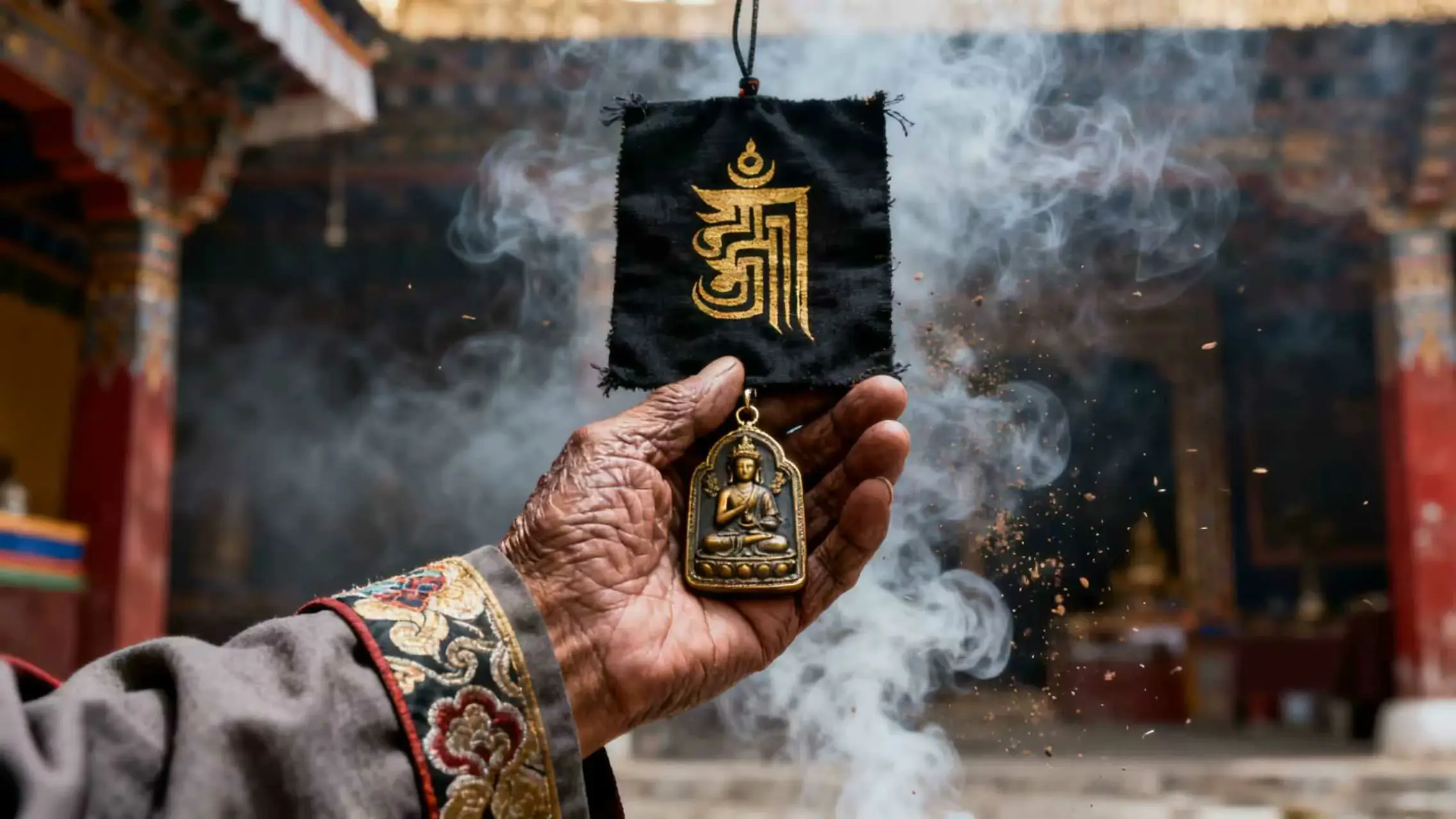
For centuries, Thangkas served as “portable temples” for Tibetan Buddhists. Monks carried them while traveling to teach, herders hung them in yurts for meditation, and families used them to explain Buddhist teachings to children. Today, they still hold spiritual weight, but they’ve also found a new audience: people who love their vibrant colors, intricate details, and connection to ancient wisdom. At AuraZen Life (www.aurazenlife.com), we specialize in authentic Thangkas that honor this legacy—perfect for both spiritual practice and home decor.
Thangka Origins: A Story of Cultural Fusion
Contrary to popular belief, Thangka paintings aren’t purely Tibetan—they’re a product of centuries of cultural exchange. Let’s trace their roots step by step:
The 7th Century: The Nepal-Tibet Connection
The story starts in 7th-century South Asia, when Princess Bhrikuti of Nepal (daughter of King Lichchavi) married Songtsän Gampo, the powerful ruler of Tibet. Princess Bhrikuti brought more than royal lineage to the marriage—she brought Nepalese artists and their painting techniques. These skills merged with local Tibetan art forms (like bon totem carvings) and ancient Indian Buddhist cloth-painting traditions to create the first Thangkas.
This fusion was key. Tibetan Buddhism was growing rapidly, and there was a need for visual tools to share its teachings. Thangkas filled that gap—and under the patronage of Tibetan kings and monasteries, the art form exploded in popularity.
The 11th Century: Surviving the Test of Time
The oldest surviving Thangkas date back to the 11th century, and they’re a window into this cultural mix. These ancient scrolls show influences from India’s Buddhist art, Nepal’s intricate brushwork, and Tibet’s bold color choices. Many were found in monastic libraries or hidden in cave complexes, preserved for centuries by Tibet’s dry climate.
Want to see what these ancient Thangkas look like? AuraZen Life’s “Thangka Culture” archive (www.aurazenlife.com/thangka-culture) features high-res images of museum-worthy pieces, with expert commentary on their historical context.
Traditional Thangka Techniques: Why These Paintings Last Centuries
Walk into a store and pick up a “Thangka print,” and it won’t compare to an authentic hand-painted piece. Why? Because traditional Thangka making is a labor-intensive process that takes months—sometimes years—to complete. Here’s how master artisans (like the ones we work with at AuraZen Life) create these timeless works:
1. Canvas Preparation: The Foundation of Durability
Authentic Thangkas start with cotton or silk canvas. Artisans stretch the fabric tightly over a wooden frame, then coat it with a mixture of gypsum and animal glue. They sand the surface repeatedly—10 to 20 layers total—until it’s smooth as glass. This process ensures the canvas won’t absorb paint or warp over time. It’s why 11th-century Thangkas still look vibrant today!
2. Pigments: Gifts From Nature
Synthetic paints? Never. Traditional Thangkas use natural, mineral-based pigments that resist fading. Here are the most common ones:
-
Lapis Lazuli: Crushed from the rare Afghan gemstone, this gives Thangkas their iconic deep blue hue (think Medicine Buddha’s robe).
-
Cinnabar: A bright red mineral used for deities’ robes or symbolic elements.
-
Gold Leaf: Ground into a fine powder and mixed with glue to create glowing accents—often for halos around deities or mandala details.
-
Plant-Based Dyes: Used for softer greens, yellows, and browns, sourced from local flowers and herbs.
At AuraZen Life (www.aurazenlife.com), we’re proud to partner with Tibetan artisans who still use these natural materials. Every Thangka we sell comes with a certificate listing its pigment sources—so you know you’re getting the real deal.
3. Brushwork: Precision and Devotion
Thangka artists train for years—often starting as children—to master their brushes. The finest brushes are made from just 3-5 strands of weasel tail hair, perfect for painting tiny details like a deity’s eyelashes or mandala patterns. And there’s no room for error: traditional Thangkas follow strict “iconography rules” (like the size of a Buddha’s ears or the position of a Bodhisattva’s hands). One wrong stroke, and the artist starts over.
Thangka Symbolism: What Do Those Colors and Figures Mean?
A Thangka isn’t just pretty—it’s a visual textbook of Buddhist philosophy. Every color, gesture, and figure has a specific meaning. Here’s what to look for:
Key Symbols You’ll See
-
Mandalas: These intricate geometric patterns are at the center of many Thangkas. They represent the universe—orderly, interconnected, and whole. Meditating on a mandala Thangka is said to calm the mind and connect you to your inner peace.
-
Mudras (Hand Gestures): A Buddha’s hand position tells a story. The “earth witness mudra” (right hand touching the ground) represents the Buddha’s enlightenment moment. The “compassion mudra” (palms open, fingers relaxed) symbolizes kindness and open-heartedness.
-
Colors: Blue = healing and spirituality; red = energy and devotion; white = purity; gold = enlightenment.
Not sure which Thangka symbolism resonates with you? Our spiritual advisors at AuraZen Life (www.aurazenlife.com/contact) can help. Whether you want a Thangka for meditation, protection, or joy, we’ll match you to the perfect design.
Thangka Evolution: Ancient Art Meets Modern Life
You might think Thangkas are stuck in the past—but today’s artists are reimagining the form while honoring its roots. Here’s how Thangkas are evolving in 2024:
Contemporary Thangka Trends
-
Minimalist Designs: Artists are creating smaller Thangkas (30x40cm) with simplified motifs—perfect for small apartments or modern decor. AuraZen Life’s “Modern Thangka Collection” (www.aurazenlife.com/modern-thangkas) features these sleek designs, like a single Green Tara figure on a neutral background.
-
Eco-Friendly Materials: Some artisans are using organic cotton and plant-based binders to align with modern sustainability values.
-
Thematic Updates: While traditional deities still dominate, some artists are adding subtle modern touches—like including Himalayan wildlife to highlight conservation, or using softer pastels for a coastal vibe.
The best part? These contemporary Thangkas still hold the spiritual heart of the tradition. They’re not just “trendy”—they’re meaningful pieces that bridge ancient wisdom and modern life.
Why Authentic Thangkas Matter (And Where to Find Them)
With so many mass-produced Thangka prints on the market, it’s easy to settle for something cheap. But authentic, hand-painted Thangkas offer something prints never will: intention. Every brushstroke is made with devotion, every pigment is sourced from nature, and every design follows centuries of tradition.
At AuraZen Life (www.aurazenlife.com), we work directly with 12 master artisans in the Kathmandu Valley and Tibet. We cut out middlemen, so you get museum-quality Thangkas at fair prices. Plus, every purchase supports traditional craftsmanship—helping keep this ancient art form alive for future generations.
Our collection includes everything from traditional “Buddha Life Thangkas” to modern minimalist designs. We even offer custom Thangkas if you want to honor a specific deity or spiritual theme.
Final Thoughts: Thangkas as Timeless Companions
Thangka paintings have survived for over a thousand years because they speak to something universal: our desire to connect with beauty, wisdom, and something bigger than ourselves. They’re not just artifacts—they’re living pieces of history that adapt to every era.
Whether you hang a Thangka in your meditation corner, your home office, or your living room, it will remind you of the power of tradition, craftsmanship, and spiritual curiosity. And when you choose an authentic Thangka from AuraZen Life (www.aurazenlife.com), you’re not just buying art—you’re bringing a piece of ancient wisdom into your modern life.
Ready to explore our collection? Visit www.aurazenlife.com today to find the perfect Thangka for your space and spirit.
