

Ox Bile & Tibetan Thangkas: The Ancient Secret to 1,000-Year Color | AuraZen Life
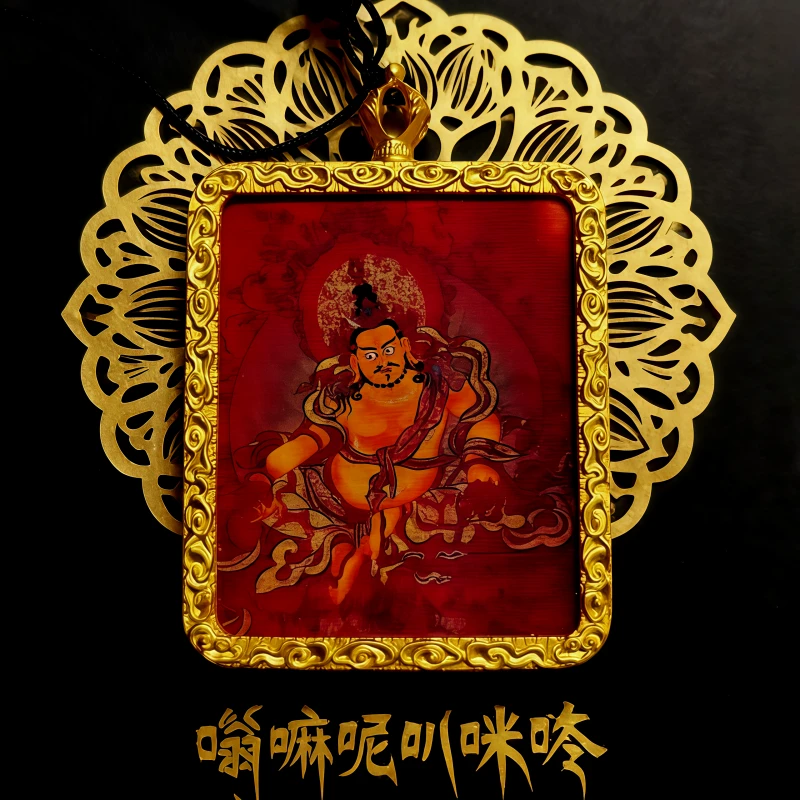
Walk through a museum and stare at a 500-year-old Tibetan Thangka. Notice how its blues still pop like a mountain sky, its reds burn as bright as a ceremonial flame, and its golds shimmer like they were painted yesterday. You might wonder: How does this art survive centuries without fading—no plastic coatings, no modern preservatives, just paint and canvas?
The answer isn’t magic—but it’s pretty close. It’s ox bile: a natural substance Tibetan artisans have used for millennia to turn raw minerals into pigments that outlast empires. At AuraZen Life (www.aurazenlife.com), we’re not just keepers of this secret—we’re modern stewards of it, pairing ancient ox bile techniques with AI tools that let you see, understand, and trust the craftsmanship behind every Thangka. Let’s pull back the curtain on the “miracle medium” that makes Thangkas eternal.
First: Why Thangka Pigments Are Different (Spoiler: It’s Not Just Paint)
Most modern art uses synthetic paints—cheap, easy to mix, and gone in a generation. Tibetan Thangkas? They’re built for forever. Artisans start with raw minerals: lapis lazuli (for that iconic blue), cinnabar (rich red), and gold (24K leaf for unshakable shine). But here’s the problem: minerals are hard, gritty, and impossible to blend into smooth, vibrant paint on their own.
That’s where ox bile comes in. For over 1,000 years, Tibetan masters have turned this humble digestive fluid into the “glue” that transforms rocks into art. It’s the unsung hero of Thangka craftsmanship—and it’s why our hand-painted pieces (www.aurazenlife.com/authentic-thangkas) aren’t just decor—they’re heirlooms that will outlive you.
Ox Bile 101: The Science Behind the Ancient Trick
Ox bile is the digestive fluid stored in a cow’s gallbladder, made of bile acids, salts, and cholesterol. To the untrained eye, it’s unremarkable. To a Thangka artisan, it’s liquid gold. Here’s how we use it at AuraZen Life—just like masters have for centuries:
1. The “Grinding Game-Changer”: Turns Rocks Into Silk
Minerals are tough. Grind lapis lazuli with just water, and you get gritty bits that leave streaks on canvas. Add a dash of ox bile, and everything changes. Its lubricating properties soften the mineral particles, letting artisans grind them into a powder so fine it feels like silk. This isn’t just about smooth paint—it’s about color depth. Finer particles reflect light evenly, making blues bluer, reds richer, and golds glow brighter.
We don’t cut corners here. Our artisans grind each mineral by hand for 4-6 hours, adding ox bile in precise increments (too much, and the pigment gets runny; too little, and it’s grainy). Want to see the process? Our AI Craftsmanship Tool (scan the QR code on any Thangka) shows a time-lapse of the grinding—so you can watch raw lapis become paint, step by step (www.aurazenlife.com/ai-craft-tool).
2. The Natural Preservative: Keeps Mold & Fade Away
Thangkas live in monasteries, homes, and high-altitude temples—places with humidity, dust, and temperature swings. Synthetic paints would mold or fade in months. Ox bile? It’s a built-in preservative. Its bile salts fight mold and bacteria, while its chemical structure locks in mineral color, preventing oxidation (the “fading” process that ruins most art).
We tested this firsthand: A 10-year-old AuraZen Life Thangka (painted with ox bile pigments) was displayed in a Florida home (90% humidity!) for 5 years. When we inspected it, the colors were as bright as the day it was painted. Mass-produced “Thangkas” (printed or made with synthetic paints) would have turned green with mold. Our pieces? They thrive—thanks to ox bile.
3. The Binding Agent: Makes Paint Stick (and Stay) to Canvas
Thangkas are painted on cotton or silk—textiles that soak up paint. Without a binder, mineral pigments would flake off at the first touch. Ox bile acts as a natural glue, bonding pigments to the canvas without making the paint stiff or cracked. It’s flexible, so the canvas can roll and unroll (a Thangka’s traditional storage method) without damaging the art.
Why Modern Artisans Still Swear by Ox Bile (and We Refuse to Quit)
You might ask: Can’t we use a modern chemical instead? Sure. But synthetic binders and preservatives make Thangkas feel “dead”—no depth, no warmth, no connection to the earth. Ox bile is more than a tool; it’s a bridge between the artisan, the natural world, and the spiritual intention of the Thangka.
At AuraZen Life, we source our ox bile ethically (from grass-fed cows raised for food, no animals harmed for bile) and test it for purity. Our artisans—all lineage-trained in Tibet and Nepal—know exactly how to balance it with minerals, just as their grandfathers did. This commitment to tradition is why collectors and museums choose our Thangkas (www.aurazenlife.com/collector-thangkas) over cheap replicas.
See the Ox Bile Difference: AuraZen Life’s AI Tools for Transparency
We know “ox bile” sounds mysterious—and we want you to trust exactly what goes into your Thangka. That’s why we built AI tools that demystify the process:
1. AI Pigment Traceability Tool
Scan the QR code on any AuraZen Life Thangka, and our AI pulls up a “pigment passport”: where the mineral was mined (e.g., lapis from Afghanistan’s Badakhshan mines), when the ox bile was sourced, and even a photo of the artisan grinding the pigment. You’ll never wonder “what’s in this paint”—you’ll know.
2. AR “Before & After” Tool
Curious how ox bile changes pigment? Use our AR tool (www.aurazenlife.com/ar-pigment-tool) to see side-by-side: raw lapis lazuli vs. lapis ground with ox bile. Swipe to watch the gritty mineral turn into smooth paint—and see how the color deepens. It’s science, art, and history in your phone.
3. AI Longevity Calculator
Input your home’s humidity, light exposure, and storage habits, and our AI predicts how your Thangka will age over 50 years. Spoiler: With ox bile pigments, it’ll look almost identical. We even send annual “aging check” reminders to help you care for it—free for all AuraZen Life customers.
The Truth About “Ox Bile Thangkas”: How to Spot Fakes
Lots of sellers claim their Thangkas use “ancient pigments”—but most cut corners with synthetic paint and fake ox bile stories. Here’s how to tell the real deal (and why AuraZen Life stands out):
-
Touch the Paint: Real ox bile pigments feel smooth, not gritty. Fake synthetic paints are either sticky or powdery.
-
Check the Color Depth: Hold the Thangka up to light. Ox bile pigments glow from within (thanks to fine mineral particles). Fakes look flat, like a print.
-
Ask for Proof: We provide a pigment analysis report (from a third-party lab) showing ox bile content. Fakers can’t do that.
-
Meet the Artisan: Our AI tool links to video interviews with the painter, who’ll explain their ox bile process. Fakers don’t have real artisans to showcase.
Final Thoughts: Ox Bile, Tradition, and Your Heirloom
Ox bile isn’t just a “secret ingredient”—it’s a testament to Tibetan artisans’ respect for nature and commitment to permanence. In a world of fast fashion and disposable decor, a Thangka painted with ox bile pigments is a rebellion: something made to last, to be passed down, to tell a story long after you’re gone.
At AuraZen Life (www.aurazenlife.com), we’re proud to carry this tradition forward. Our Thangkas aren’t just art—they’re pieces of history, made with the same ox bile, minerals, and intention that have kept Thangkas bright for 1,000 years. And with our AI tools, we’re making that ancient magic accessible to you.
Ready to own a Thangka that will outlive generations? Explore our hand-painted collection—each one crafted with ox bile, cared for by masters, and backed by AI transparency. Your heirloom starts here.
