In the Himalayan Hush: The Tibetan Gau Box Pendant That Holds a World of Calm

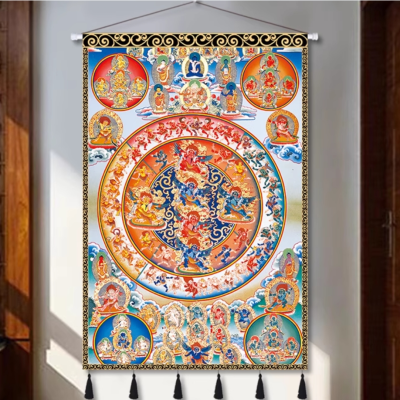
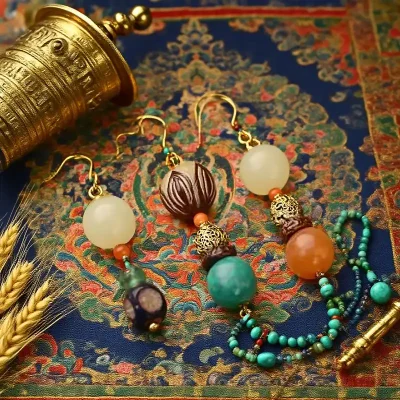
High in the remote valleys of Ladakh, where snow-capped peaks pierce the clouds and prayer wheels spin with the wind like quiet whispers, there’s a stone cottage half-buried in wild juniper. Inside, an 82-year-old artisan named Lobsang spends his days hunched over a wooden table, his gnarled hands moving slow and steady as he carves tiny patterns into sandalwood. He’s making gau boxes—small, sacred containers that Tibetans have carried for centuries, holding prayers, bits of holy moss, or tiny thangka paintings.
Lobsang’s favorite memory isn’t of selling a pendant to a tourist, or even of winning a craft award. It’s of his father, when he was 12, pressing a rough block of sandalwood into his palms and saying, “A gau box isn’t just wood. It’s a home for the parts of you that need protecting—your hope, your calm, your faith that things will get soft again.” His father taught him to carve lotuses into the lid (for growth, even in mud), to smooth the edges until they felt like river stones (so they never scratch the skin), and to murmur a prayer with every stroke. “When someone wears this,” his father said, “they don’t just carry a necklace. They carry a piece of the mountains—something to hold onto when the world gets loud.”
Last summer, a woman named Clara stumbled into Lobsang’s cottage. She was a graphic designer from Berlin, her laptop bag stuffed with half-finished projects, her eyes red-rimmed from weeks of all-nighters. She’d quit her job and backpacked to Ladakh to “find herself,” but mostly she felt like she was chasing a ghost. Then she saw Lobsang’s shelf of gau box pendants: some in sandalwood, some in walnut, each carved with a different symbol—stars, om signs, tiny Buddha faces. She picked one up, and the wood felt warm in her hand, like it had been waiting for her.
“What does it do?” she asked, turning it over. Lobsang’s hands paused over his work. He didn’t speak much English, but he smiled and tapped the pendant, then tapped his chest. “It doesn’t do,” he said, slow and gentle. “It reminds. When your mind races—touch it. When you forget to breathe—touch it. It’s the mountains saying, ‘You’re here. That’s enough.’”
Clara bought it. Three months later, she sent Lobsang a postcard: a photo of the pendant hanging around her neck, taken on a busy Berlin street. The note was short, scrawled in messy handwriting: “I don’t cry at my desk anymore. Every time I rub this, I remember your valley—and that calm isn’t something I have to chase. It’s something I can hold.”
What Even Is a Tibetan Gau Box Pendant?
Think of it as your spiritual pocket—way deeper than a necklace, way more meaningful than a charm. For Tibetans, a traditional gau box (sometimes called an “amulet box”) is a sacred vessel. Nomads carry them to protect their families from storms; monks fill them with prayer papers; mothers tuck a strand of their child’s hair inside for safety. This pendant? It’s that same ancient idea, shrunk down to rest against your heart.
The magic is in the details. Lobsang carves each box by hand—no machines, no shortcuts. He sources his sandalwood from old trees that have fallen naturally (never cut down), so each piece smells like earth and sunlight. Some pendants have inlays of turquoise (for protection, Tibetans say—like a piece of the sky watching over you), others have tiny carvings of Chenrezig (the Buddha of compassion), his four arms folded in a gesture of peace. Inside, Lobsang always tucks a tiny rolled-up prayer—nothing fancy, just a few lines in Tibetan: “May your heart be light. May your steps be slow.”
This isn’t jewelry. It’s a piece of Ladakh you can wear. Every scratch on the wood holds the chill of Himalayan mornings, every carved line carries Lobsang’s prayers, every whiff of sandalwood is a link to a world that moves slower than your inbox.
The Pendant That Changed a Life (And Could Change Yours)
Lobsang’s hands shake a little now, but he still works from dawn till dusk. Sixty years ago, his father gave him his first finished gau box—a tiny one, carved with a star—and said, “Let it teach you patience. You can’t rush a prayer, and you can’t rush a good carving.”
Last fall, a guy named Kavi showed up at the cottage. He was a software engineer from Mumbai, his phone buzzing nonstop with work emails, his voice tight as he talked about “deadlines” and “burnout.” He’d taken a week off to hike, but his mind was still stuck in his office. Lobsang didn’t say much—he just handed Kavi a gau box pendant, its lid carved with an om sign.
“When your brain’s like a storm,” Lobsang said, pointing to the pendant, then to Kavi’s chest, “hold this. The storm passes. You don’t have to fight it.”
Kavi took it back to Mumbai. He kept it on his desk, rubbing the om sign when his code crashed or his boss sent a frantic message. Three weeks later, he emailed Lobsang a photo: the pendant lying next to his laptop, with a note: “I don’t yell at my screen anymore. I touch this, and I remember that there’s more to life than spreadsheets. Thanks for giving me something to hold onto.”
The Symbols: Earth’s Secret Language
Every gau box pendant Lobsang makes speaks a quiet language. Pick the one that hums with what you need:
- Lotus Carving: The lotus grows in mud but blooms clean—perfect if you’re feeling stuck. It’s a reminder that calm can grow even in chaos.
- Turquoise Inlay: Tibetans call turquoise “sky stone”—it’s for when you feel unmoored. The blue is like a anchor, keeping you grounded when life feels like it’s spinning.
- Star Pattern: For when you’re lost, either in your career or your heart. The star is a nod to the Himalayan night sky—bright, steady, and always there to guide you.
- Om Sign: Om is the sacred sound of the universe, Tibetans say. This pendant is for when you need to quiet your mind—rub the sign, and it’s like breathing in a little piece of silence.
Why a Gau Box? Let the Mountains Explain
Ask Lobsang, and he’ll shrug and say, “It’s not magic. It’s just… connection.” When you touch the wood, you’re touching something that was once a tree in Ladakh, something that Lobsang held, something that carries the prayers of a man who’s spent 70 years believing in calm. It’s a way to say, “I’m not alone in this.”
But here’s the real magic: This pendant forces you to slow down. When your day’s a blur—emails pinging, kids yelling, coffee getting cold—you reach for it. You run your finger over the carved lotus, you smell the sandalwood, and suddenly, the noise fades. Your brain swaps “panic mode” for “peace mode.” That’s the gau box’s gift: it turns a 10-second pause into a mini-meditation.
How to Wear It: No Fancy Rules Required
You don’t need to be Buddhist. You don’t need to know Tibetan prayers. Here’s the no-BS guide:
- Wear it close: Around your neck, under your shirt or over it—whatever feels right. The point is to have it where you can touch it without thinking.
- Touch it often: Stuck in traffic? Rub the lid. Stressed at a meeting? Fiddle with the cord. It’s not “fidgeting”—it’s a tiny ritual to ground yourself.
- Say thanks: When you feel calm after touching it, pause for two seconds. Bow your head a little—thank the pendant, thank yourself for slowing down. That’s the “prayer” part—no words needed.
Caring for Your Pendant: Treat It Like a Sacred Friend
This isn’t a cheap trinket—it’s a spiritual sidekick. Show it love:
- Cleanse it gently: Wipe the wood with a soft cloth (no water—sandalwood hates moisture). Once a month, set it in the moonlight overnight (full moon is best—like giving it a spiritual “reset”).
- Store it nice: Keep it in the little cotton bag it comes with (Lobsang’s granddaughter sews them, each with a tiny lotus stitch). No tossing it in your purse with keys and lip balm—this thing holds your calm; give it a soft place to rest.
- Let it age: The wood will darken a little over time, and that’s good. It’s not “wearing out”—it’s absorbing your story, becoming more “yours.”
Pendant Life Hacks for Modern Chaos
This isn’t just for hiking or meditation. It’s your secret weapon for adulting:
- Stressful meeting? Rub the pendant under the table. No one will notice, but your heart rate will drop faster than you can say “agenda.”
- Sleepless nights? Hold it in your hand while you lie in bed. Better than scrolling TikTok—your mind will stop replaying that awkward conversation, and you’ll drift off faster.
- Bad day? Take a minute to smell the sandalwood. Studies say sandalwood lowers anxiety—so it’s not just “spiritual.” It’s science.
Your Gau Box Pendant Awaits: Handmade in Ladakh
Our Tibetan Gau Box Collection? Every one is carved by Lobsang and his two apprentices—no factories, no mass production. The sandalwood comes from sustainable forests in Ladakh, the turquoise is mined by local families who’ve done it for generations, and every pendant is tied with a leather cord that softens with wear (so it feels like an old friend after a few weeks).
Whether you need calm (lotus), protection (turquoise), or guidance (star)—there’s a pendant with your name on it.
Ready to turn chaos into calm? → [Grab Your Gau Box Now] and let this tiny piece of the Himalayas be your map back to yourself.
FAQs (’Cause You’re Curious)
- Can I wear this if I’m not Buddhist? Hell yes. It’s about intention, not religion. If you wear it to feel grounded, or to remember to breathe—that’s all that matters.
- What if I lose it? The pendant’s just wood and stone, but the reminder stays with you. You can always find calm in a deep breath, even without it.
- How do I know which one’s “mine”? Hold it. Close your eyes. If it feels like a hug—warm, familiar, like it fits—then that’s the one. Trust your gut. It’s smarter than you think.
May your pendant be warm, your mind be quiet, and your days be lit with tiny, sacred moments. ✨
